
Meet The Experts - Andrew Whitford
Tuesday, 27 January, 2026
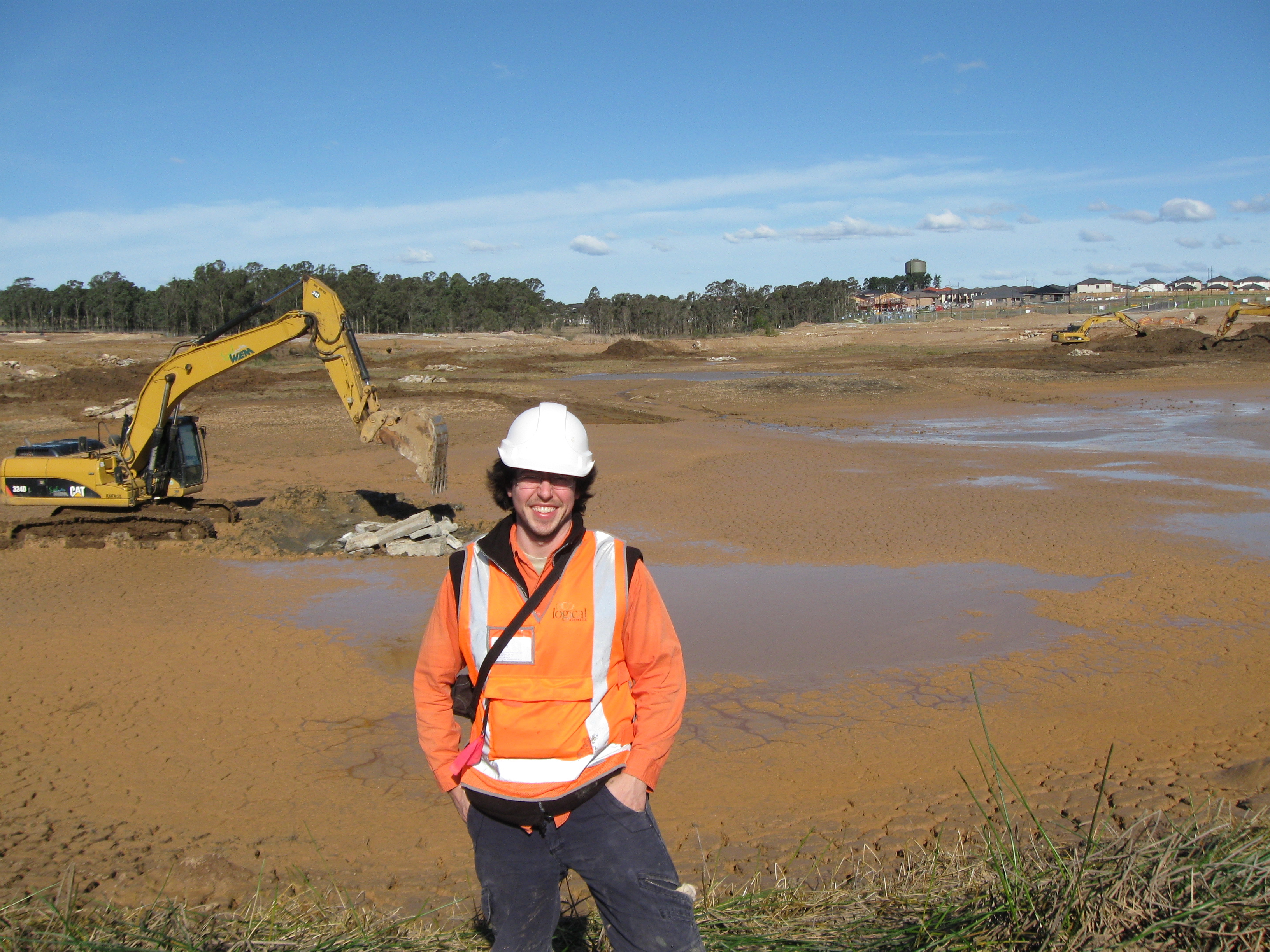
Can damaged bushland ever be truly restored?
For Andrew Whitford, the answer begins with asking not just can we, but how, and to what end.
Since arriving in Australia in 2005, Andrew’s journey from Conservation and Land Management student to restoration ecology specialist has been shaped by curiosity, adaptability, and a firm belief that even the most heavily disturbed landscapes can be brought back to life with the right approach.
In this edition of our Meet The Expert Q&A, Andrew shares his thoughts on the shift from conservation to rehabilitation, the technology transforming land management, and why good teamwork, plus a well-planned irrigation system, can make all the difference. And when he’s not restoring ecosystems across NSW? You’ll find him deep in analysis of his beloved Buffalo Bills.
___________________________________________________________________________________________________________________
1. How do you explain your job to someone at a party?
It usually takes a while, so it depends on how interested I think they really are! The simplest version is ‘I restore bushland’, and it goes on from there.
2. What inspired you to pursue a career in restoration ecology and land management?
I moved to Australia in 2005 with a vague idea that I would study ‘sustainability’. When I discovered the TAFE system, which doesn’t really have an equivalent in the US, I saw an opportunity. A Cert III in Conservation and Land Management turned into a Diploma and then subsequently a Masters in Applied Science while I worked as a bush regenerator, including casually for ELA.
That was what first sparked my interest, but it was really when I came permanently to ELA that I found my niche and realised this could be a career. One of the best aspects of ELA is that I’ve been able to figure out what I want to do as I go, subtly adapting and redirecting along the way to suit.
3. What are the biggest trends and challenges shaping the restoration ecology and land management industry in Australia today?
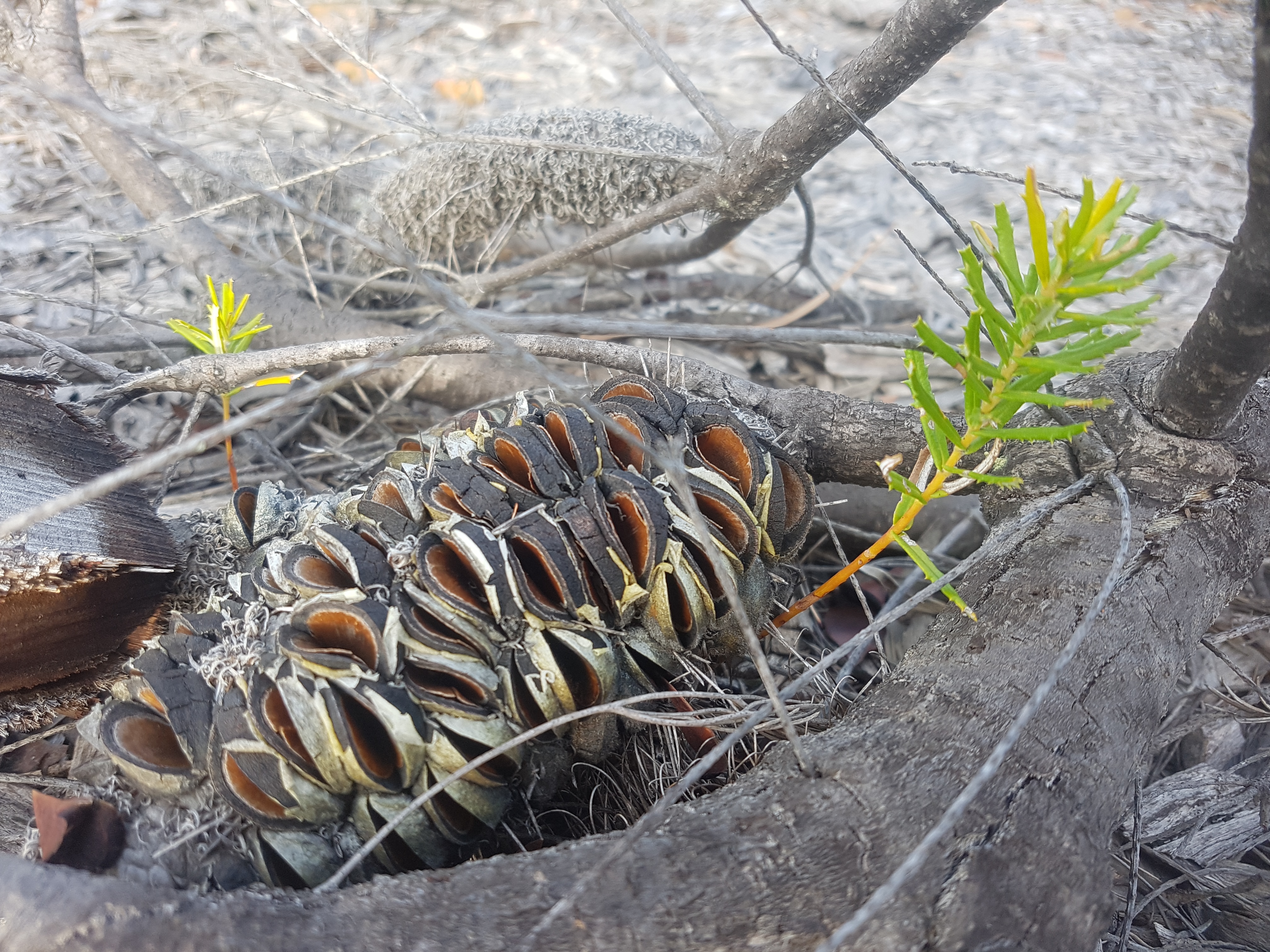
One of the biggest challenges for Australia is transitioning from a conservation philosophy, where bushland and habitat in good condition are locked up, to a rehabilitation approach, where degraded bushland is restored to a higher condition.
While the former is clearly optimal, it relies on the existence of intact remnants to protect. For many communities and species, however, this is no longer the case. Rehabilitation requires longer timelines and flexibility to respond to inevitable challenges, but with sufficient time and funding, it can be just as successful.
Another significant challenge is the availability of seed for broadscale rehabilitation. The vast majority of commercial seed used in Australia is wild-collected, which can place additional pressure on existing vegetation and leaves projects vulnerable to natural variation in species responses and seasonal conditions. Australia needs to develop a sustainable commercial seed market that supplies appropriately provenanced seed for rehabilitation at scale.
4. How has technology changed the way you work in restoration ecology over the past few years?
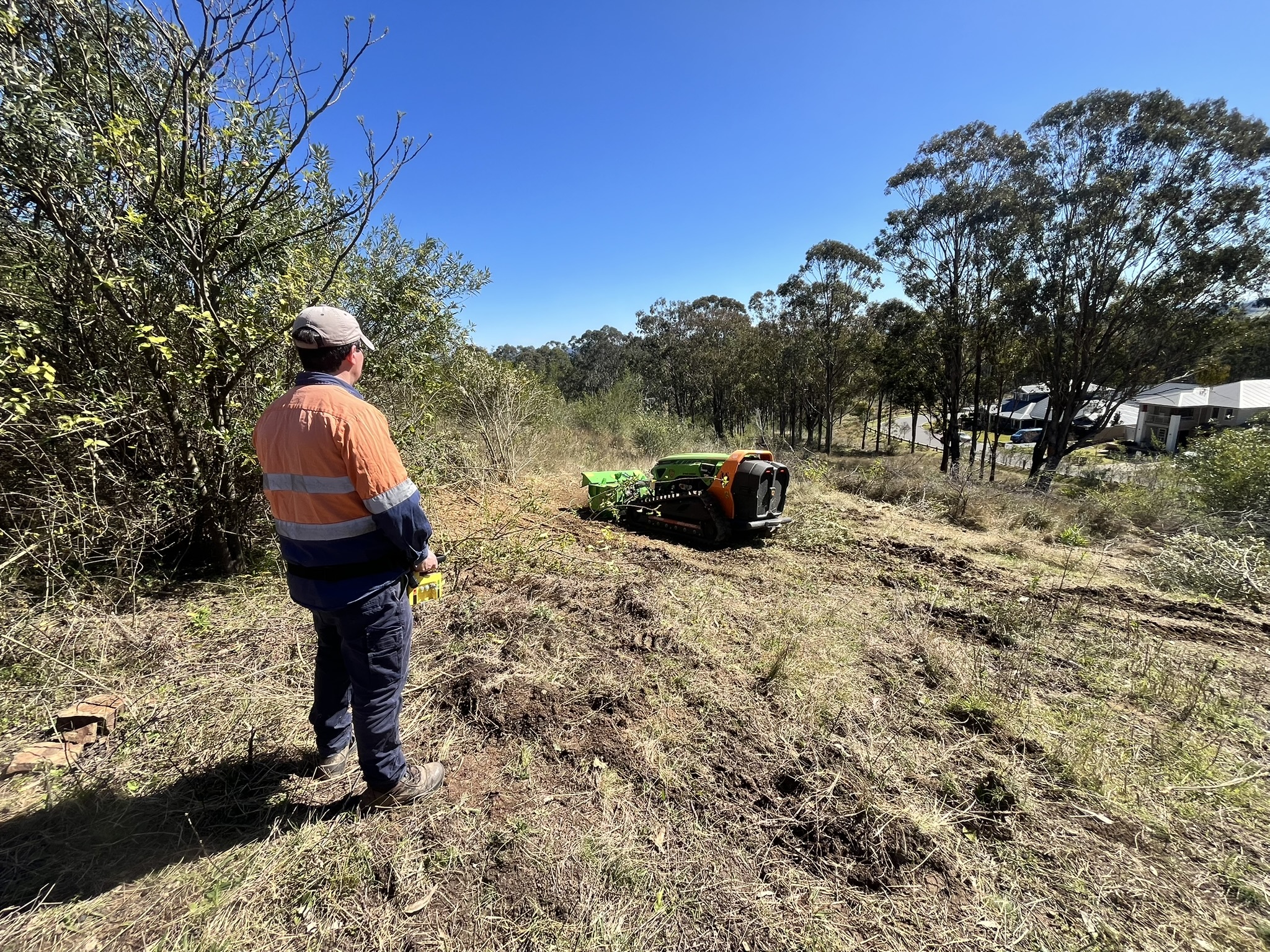
There have been some amazing advancements in technology. One of our newest pieces of kit is the remote-controlled Green Climber tree mulcher, which allows us to clear and mulch woody weeds extremely rapidly, even on steep slopes.
Other advances, while perhaps less fun but no less valuable, include aerial mapping, drones and digital data collection. These tools have revolutionised our ability to assess rehabilitation performance and adapt our approach in a timely and informed way.
5. What’s the most fascinating project you’ve ever worked on, and why?
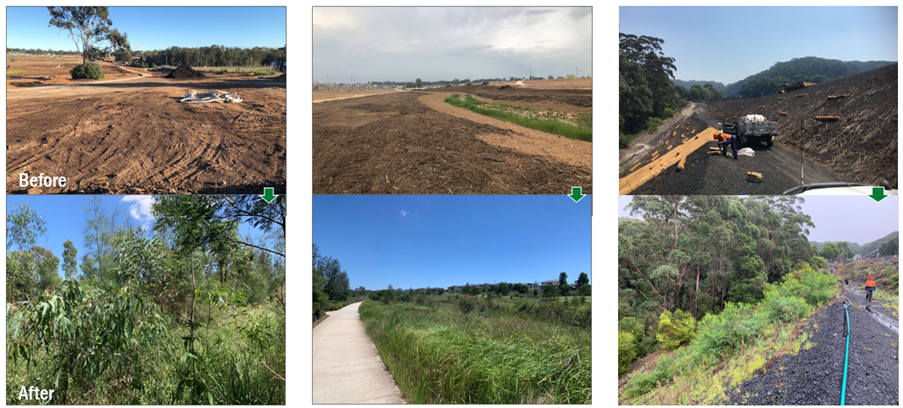
Any job where we have the opportunity to take a significantly disturbed site and transform it into a functioning ecosystem is incredibly satisfying. I’m fortunate to have been involved in several examples of this, including Harrington Park, Catherine Park, Bardia, Spring Farm and many more.
6. What’s your one expert tip for teams working on projects?
I heard a quote recently, ‘it's amazing what you can accomplish when you don’t care who gets the credit’, which I think captures what makes a good team into a great team.
7. What’s the biggest misconception people have about your industry or role?
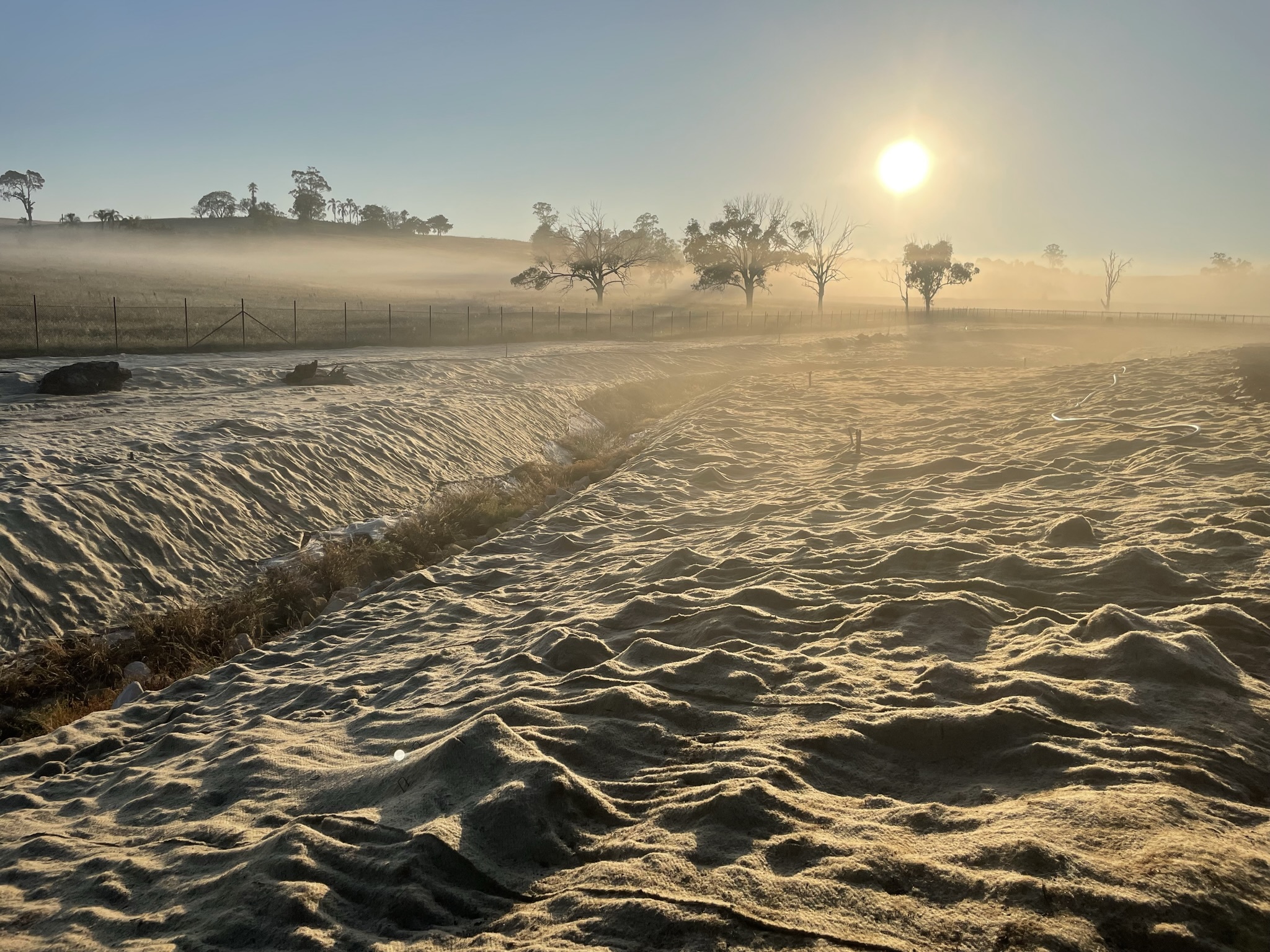
One question I get asked a lot is ‘can’ you rehabilitate something? However, what this question misses is that ‘can’ is a function of cost and timeline, which is important but comes after the ‘how’ and ‘to what end’.
8. What’s the best piece of advice you’ve ever received?
I like to think I’ve picked up pieces of wisdom from everyone I’ve ever worked with and try to apply them to my current circumstances. It probably explains my love of analogies!
9. What’s a book, podcast, or resource you’d recommend to someone?
Chas Licciardello does a podcast accompaniment to Planet America called Planet Extra Podcast (PEP) where he covers the topics of American politics that are ‘too nerdy for TV’. Although I don’t even watch the TV show, the podcast has pretty much become my exclusive source for American political coverage.
10. What’s something you geek out over?
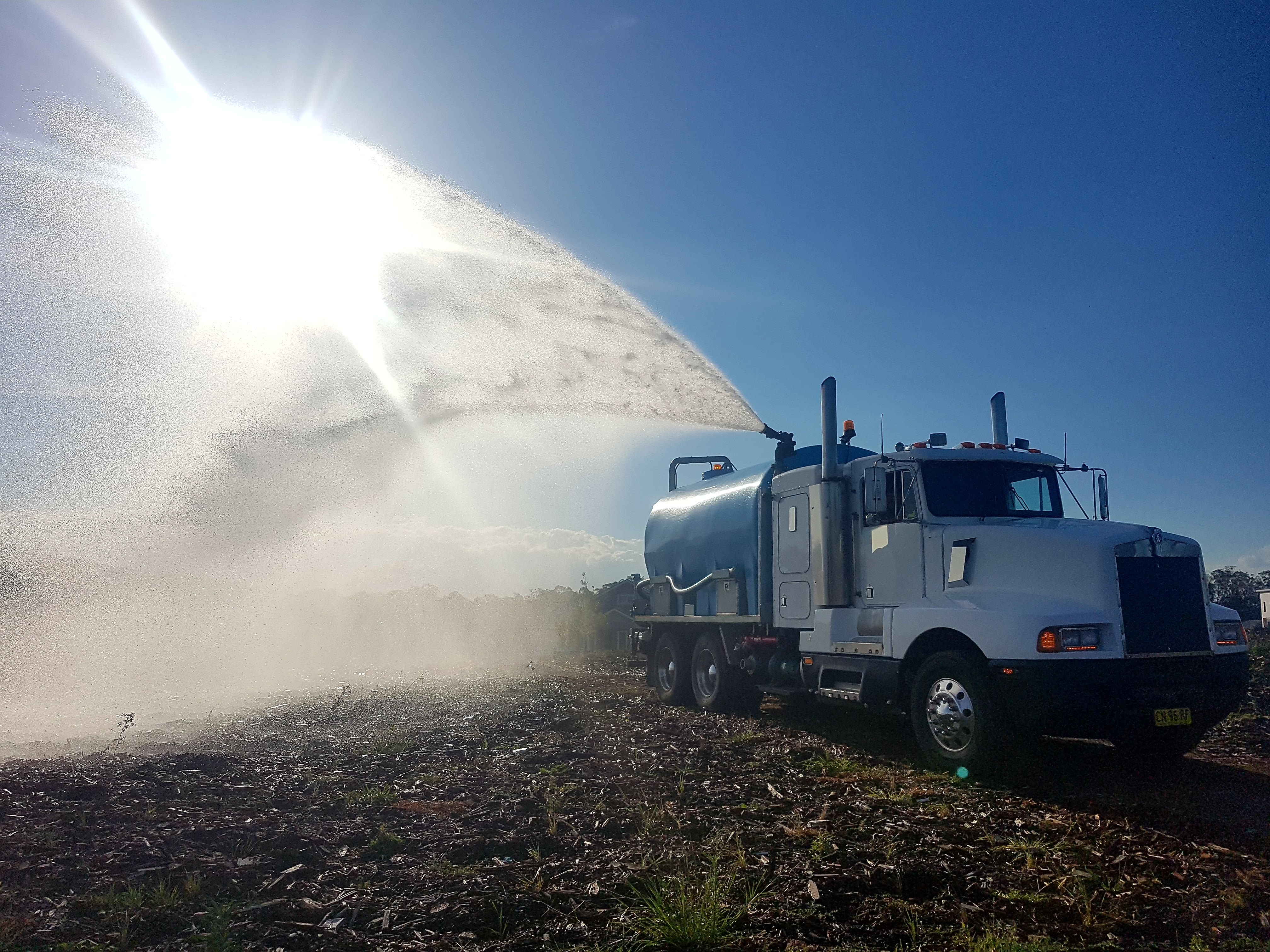
Work-wise, I always enjoy planning irrigation. Something about assessing and solving those problems is really satisfying. Plus good irrigation changes the game when it comes to revegetation!
In my personal life, my mum is from Niagara Falls, NY, so I have been a Buffalo Bills fan since I was a kid. The NFL is very effective about having something to pay attention to year round, so you will usually find me deep in the analysis of the teams current situation and their next move!