Meet The Experts - Paul Pepdjonovic
Thursday, 23 July, 2026
What stories are hidden beneath Melbourne’s streets?
For historical archaeologist Paul Pepdjonovic, the job is less Indiana Jones and more detective work, piecing together evidence, questioning what doesn’t quite make sense, and helping ensure the stories beneath our feet aren’t lost as the city evolves.
In this latest Meet The Expert Q&A, Paul shares how early archaeological advice can help de-risk major projects, why Melbourne’s heritage is far more dynamic than many people realise, and how technologies such as LiDAR, drones and 3D modelling are changing the way sites are investigated. Plus, discover how he ended up appearing in an archaeology-themed Minecraft game.
___________________________________________________________________________________________________________________
1. How do you explain your job to someone at a party?
I usually ruin the Indiana Jones fantasy first: no whip, no treasure map, no ancient curses. Then I explain that I’m a historical archaeologist - basically a detective for the past. I look at what was once in a place before it’s built over, so we don’t lose the story beneath our feet. It’s a mix of mystery, history, and making sure Melbourne keeps hold of its heritage.
2. What inspired you to pursue a career in Heritage?
Curiosity, mostly. Jurassic Park was probably my first introduction to the idea that the past should be investigated properly, not just dramatised for entertainment. Since then, I’ve been fascinated by the gap between what history records and what life may actually have looked like. I’m drawn to the details that make you pause and ask, “hang on... why?”
My inner child has never really let go of that question, and heritage is the perfect place to keep asking it. I also love that the work combines thoughtful investigation with practical outcomes, making sure legislation is followed, while keeping the process clear and workable for clients.
3. Can you tell us about your role and what inspires you to do this work every day?
My role covers a lot of ground, but the part I find most rewarding is being involved right at the start of a project.
For much of my career, I’ve been brought in to help solve problems once they’ve already landed, which has its own satisfaction, but I really enjoy helping de-risk a project early by identifying the likelihood of archaeology being affected before issues arise.
It’s about research, forecasting, and putting the right investigations and reporting in place so projects can move forward smoothly, without unnecessary surprises or costs.
What inspires me every day is the challenge of noticing the things that might otherwise slip through the cracks, understanding what clients need before they’ve even asked, and making sure they feel confident about what it all means.
In a way, it’s part archaeology, part problem-solving, and part helping people move forward with clarity.
4. What’s the most fascinating project you’ve ever worked on, and why?
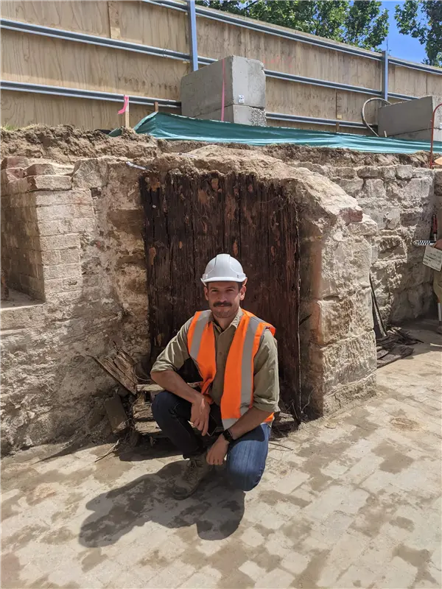
The most fascinating projects for me are the ones where archaeology is expected, but not necessarily the kind I anticipated. Finding artefacts that reveal new layers of history is always incredibly rewarding, and it gives you a chance to ask bigger questions and shape investigations in a really meaningful way.
A good project is always a balance of curiosity and practicality. That said, my work on the Metro Tunnel project, along with the rehabilitation of the Little Lon artefact assemblage at the museum, was especially fascinating. Having access to such a huge collection of artefacts and getting to identify so many different objects really expanded my knowledge and sharpened my skills in a big way.
5. What are some of the key challenges you tackle in your role?
One of the biggest challenges is helping developers see archaeology as a genuine part of project planning, just like any other environmental or planning consideration, rather than something to think about only when issues arise.
A big part of the role is also supporting compliance, navigating competitive tender environments, and helping balance practical delivery with the long-term benefits of getting the right advice early.
In many cases, early engagement not only makes the process smoother, but can also help avoid unnecessary costs or nasty surprises down the track.
6. What’s the biggest misconception people have about your industry and/or role?
That archaeology in Melbourne is all small-scale and unexciting, when it’s actually a fascinating way to uncover the city’s hidden stories. It’s also a lot more dynamic than people expect, with plenty of planning, problem-solving, deadlines, and teamwork involved. And yes, there’s a solid framework of laws and guidelines that keeps everything running properly.
7. How has technology changed the way you work in Heritage over the past few years?
LiDAR, 3D modelling, drones, and new technologies for testing and dating have all changed the way we work. They’ve made it easier to understand sites, document evidence, and make better-informed decisions earlier in the process.
8. What’s a book, podcast or resource you’d recommend to someone in your field?
A solid understanding of project management and financials goes a long way. In a heritage context, I’d definitely recommend the Heritage Act 2017 (Vic.), and VicPlan is an incredibly useful (and often underrated) resource. I sound boring, but it’s amazing how many people don’t use these enough!
As for podcasts, I think they only further glamorise an industry that really needs to stay grounded in why we do the work, and who we’re doing it for.
9. What’s something you geek out over and what’s a surprising fact about you people may not know?
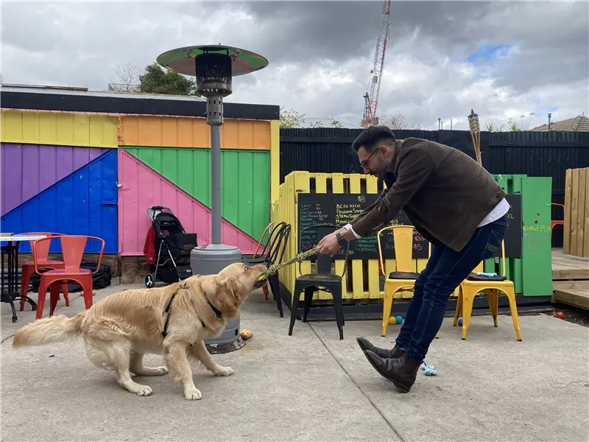
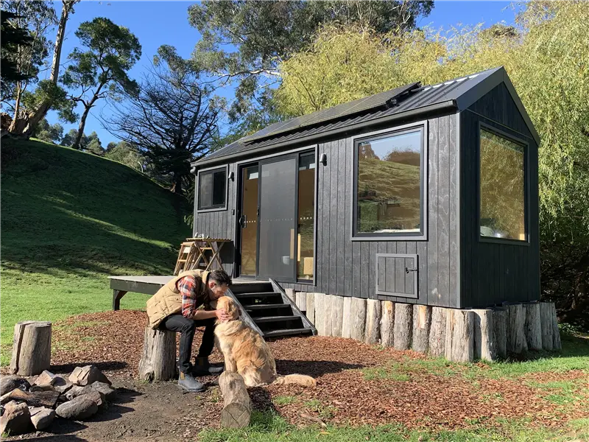
Golden retrievers, road trips to old country towns, fixing things, and video games.
Fun fact: I was involved in the Archaeology Experience Minecraft game, and I even appear in it.
10. What’s the best piece of advice you’ve ever received?
If it doesn’t make sense, dig deeper. You’re either missing something or it’s not true.