Meet The Experts - Rebecca Croake
Tuesday, 25 August, 2026
When it comes to understanding the natural world, curiosity is a powerful starting point.
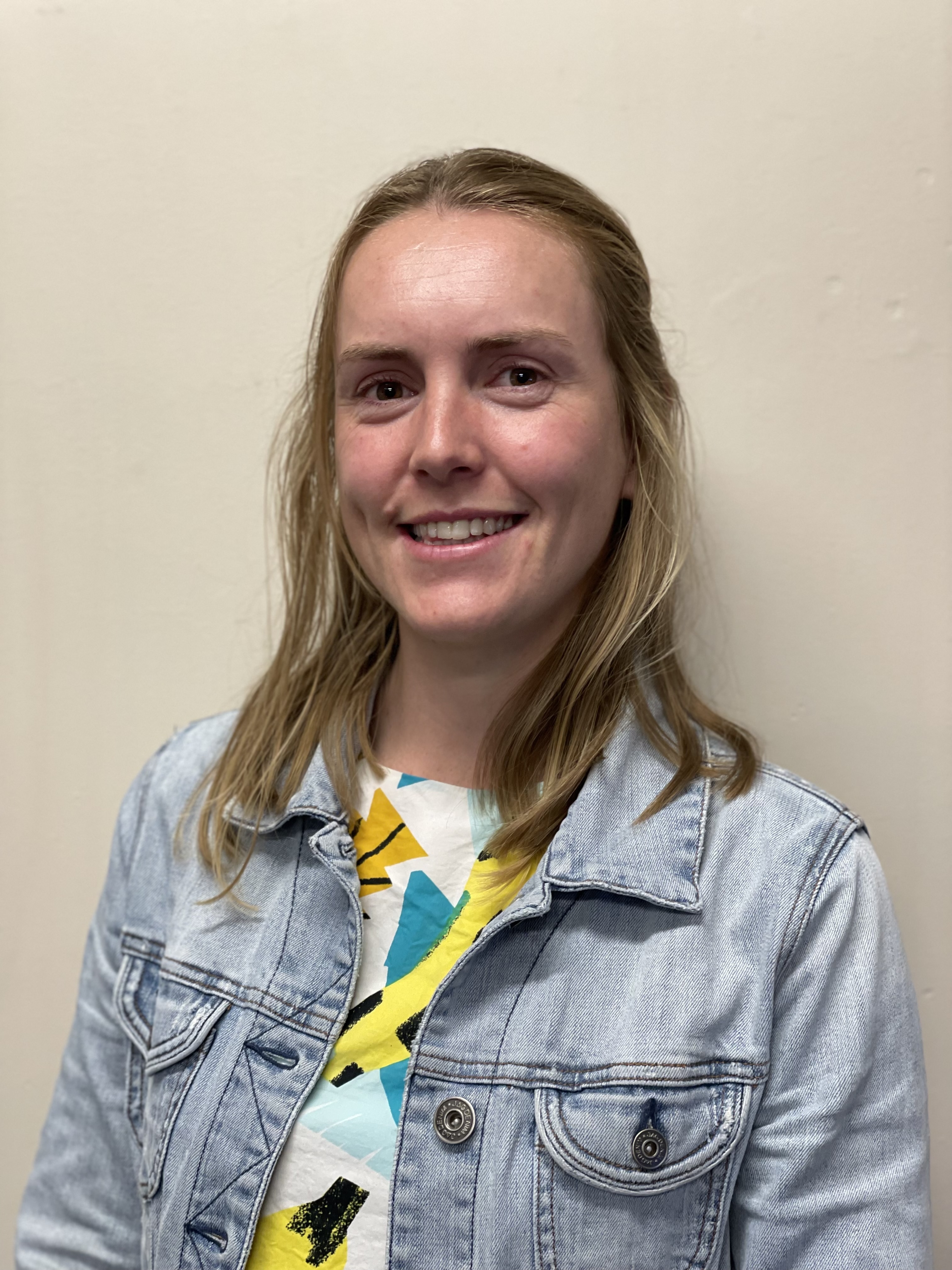
For this Meet the Expert Q&A, we spoke with Bec Croake, whose path began on a sheep and cattle farm near Mudgee, NSW. It's here that an early fascination with the interplay between plants, animals, soil and landscapes set the foundations for a career in ecology.
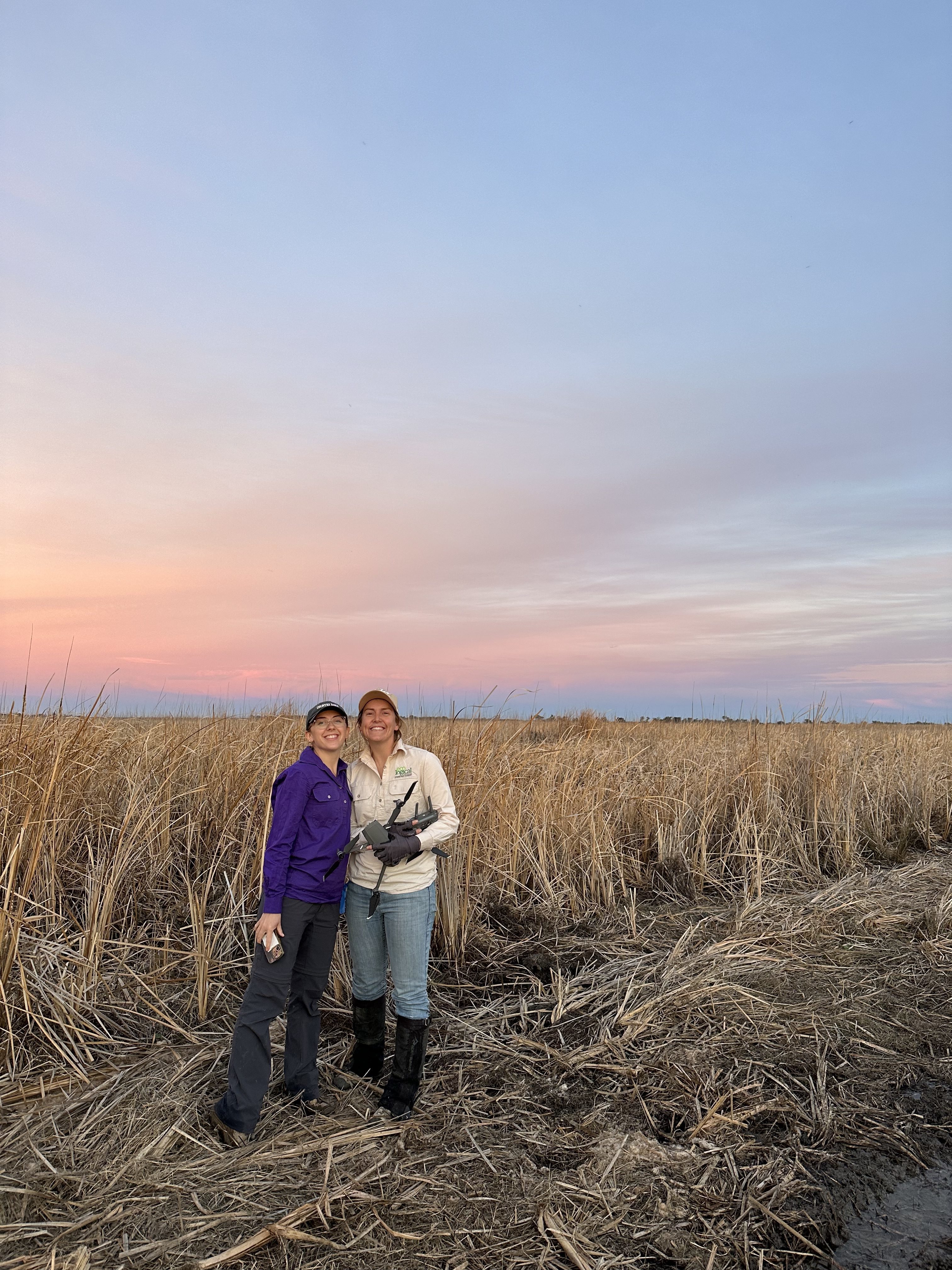
From biodiversity assessments and project design through to navigating changing legislation and increasingly complex renewable energy developments across Central West NSW, Bec’s work is guided by a holistic approach, a sharp eye for detail, and a belief that good ecology helps make better decisions. And when she’s not out in the field? You’ll usually find her thinking deeply about ecosystems, and the small changes that can shape an entire landscape.
_________________________________________
1. How do you explain your job to someone at a party?
I investigate the presence of plants, animals and ecosystems, and determine the level of impact proposed developments may have on biodiversity, and provide advice on how to avoid and minimise impacts.
2. What inspired you to pursue a career in Ecology?
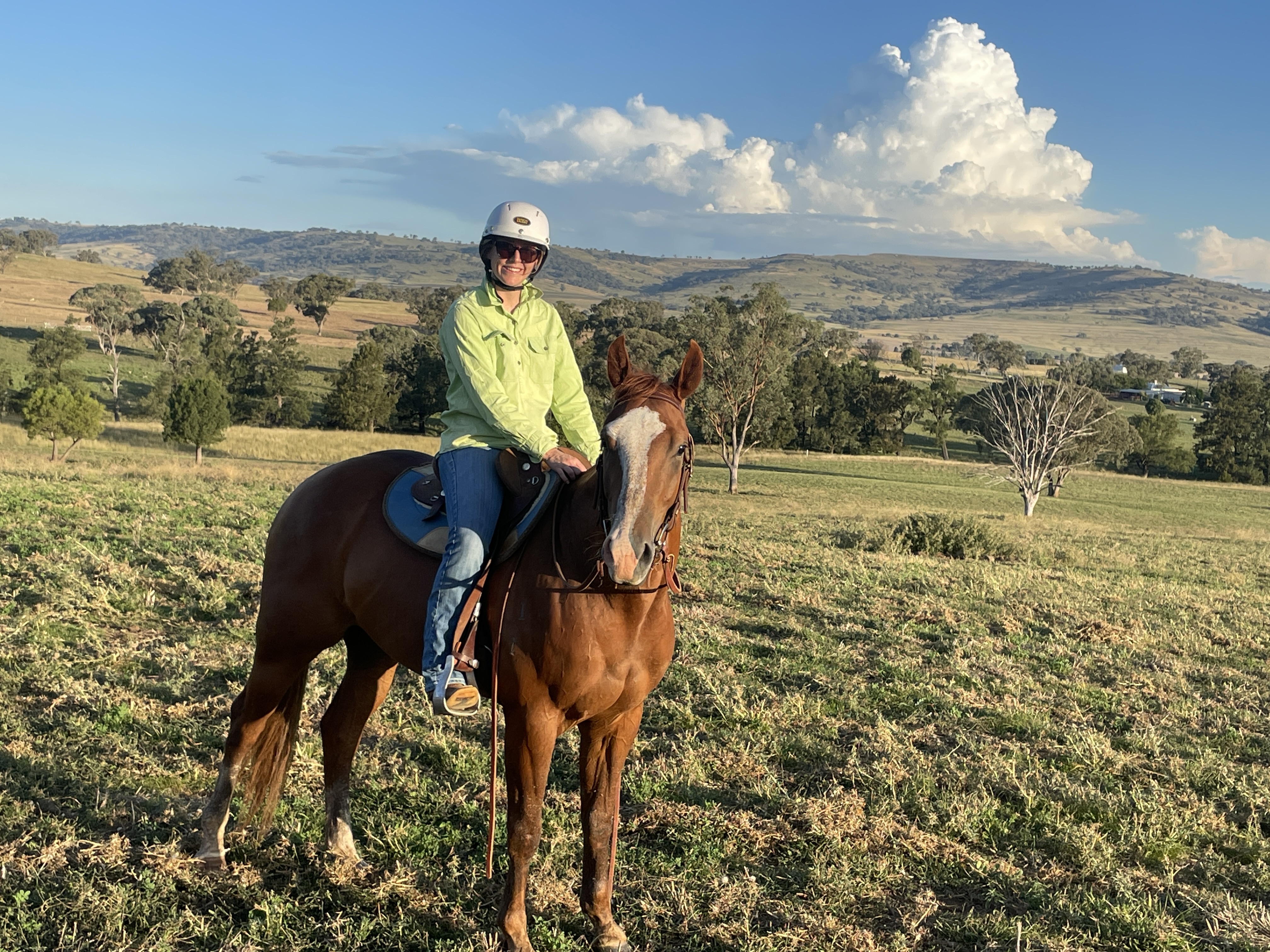
I grew up on a sheep and cattle farm near Mudgee NSW and spent my childhood observing the interaction between animals, plants, soil and landscapes, with an ingrained curiosity of the natural world heavily influenced by my parents. I had no idea what I wanted to do when I finished high school but had one main goal: to work outside!
Once I was close to finishing university, I contacted the then Mudgee Office Manager enquiring about some work experience and was firmly planted in a seat at ELA Mudgee as a Graduate Environmental Consultant 2 weeks later.
While I had minimal exposure to ‘ecology’ during my university degrees (B. Environmental Science and B. Geoscience), working alongside some great ecologists and botanists in my early days was when it all clicked. It seemed I had many experiences throughout my life which prepared me for a career in Ecology, and a transition to an ecology-based role was natural. Scenic lunch spots are a nice bonus!
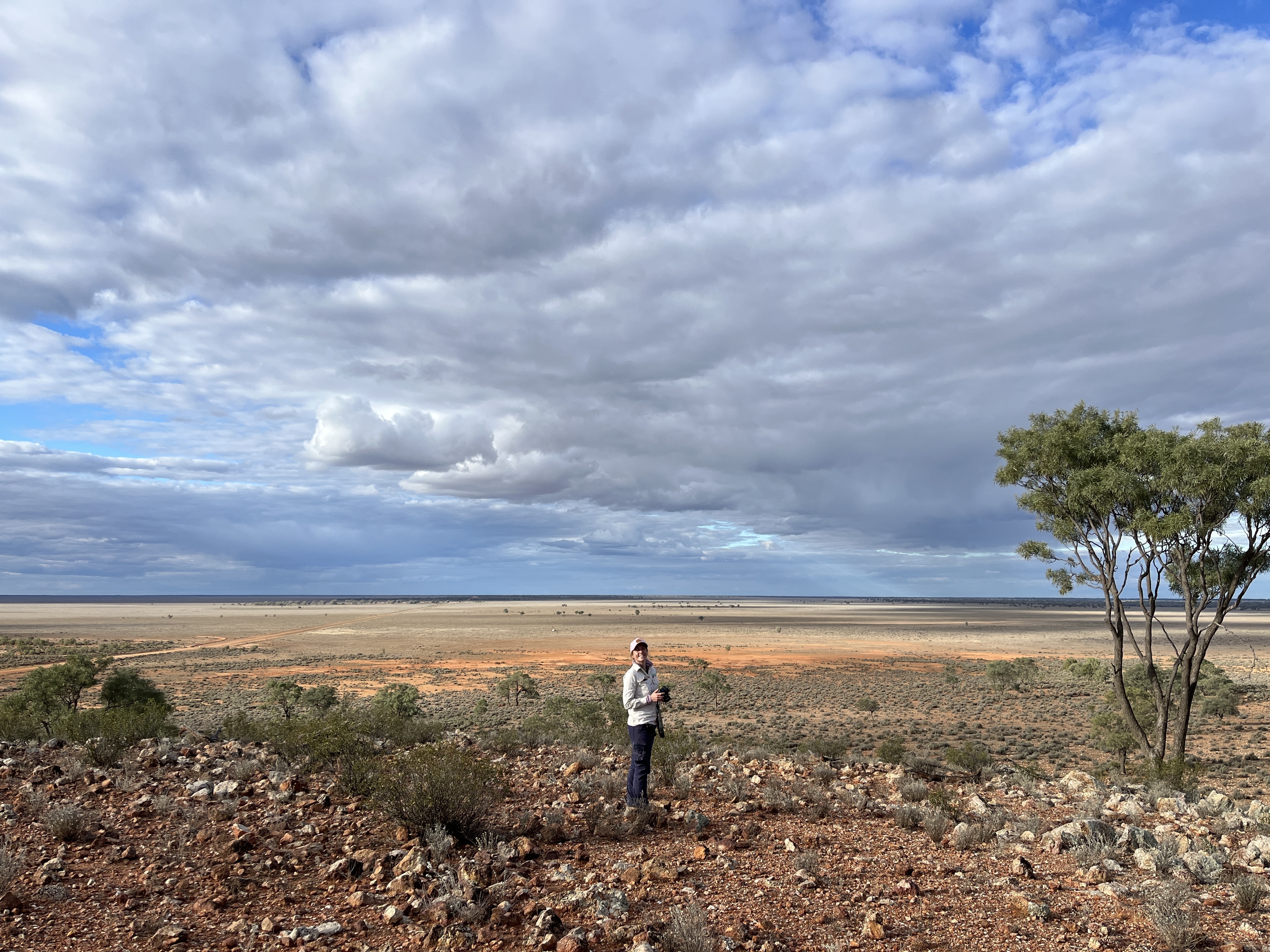
3. What’s the biggest misconception people have about your role?I think a big misconception is that ecologists are intrinsically ‘anti-development’. In many cases, consulting ecologists recognise that development is necessary and that development can bring important social and economic benefits. The issue is not whether development should happen, but how it happens, and consulting ecologists generally support development when it is planned and carried out responsibly, and with careful attention to avoiding unnecessary damage to ecosystems, habitats and biodiversity.
4. What’s the most fascinating project you’ve ever worked on, and why?
Any project that affords me the opportunity to apply a holistic approach to impact assessment is fascinating to me. I worked on a project recently where learning about how coal is extracted from an underground mine using longwall mining techniques allowed us to inform the project design to avoid impacts to cave-dependent microbats!
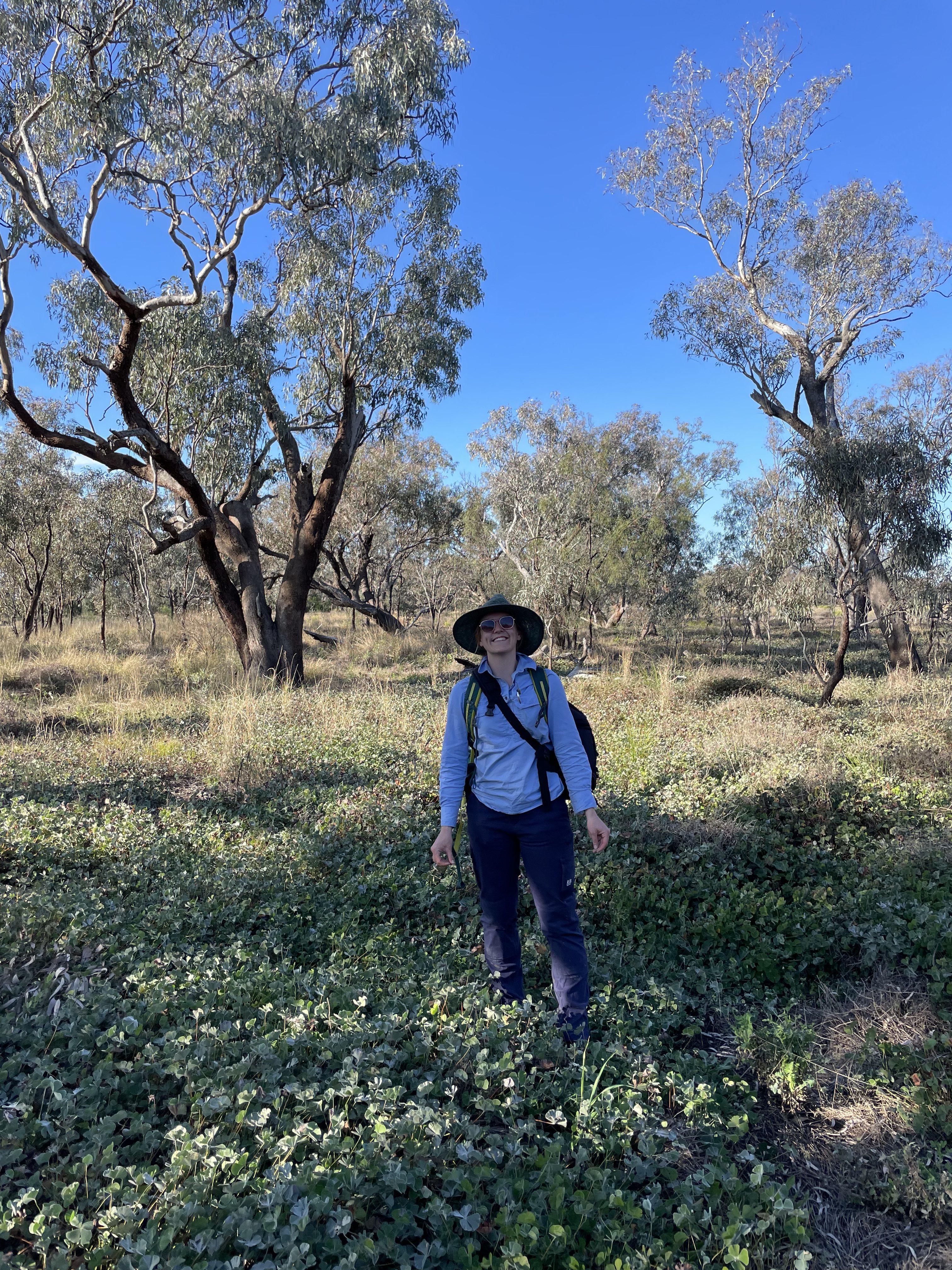
5. What are some of the key challenges you tackle in your role?Changes to legislation, and changes in prescribed survey methodology can provide sometimes unexpected challenges to any assessment. These changes may affect how surveys are designed, when they are carried out, what information is required, and how results are interpreted. As a result, assessments may need to be adjusted to remain compliant with current requirements while still producing accurate and reliable ecological advice. This can add complexity to the process, particularly when timelines are tight or when projects have already progressed under previous guidelines.
I do most of my work in Central West NSW. A large amount of renewable energy development is proposed for this region, meaning assessment of cumulative impacts on biodiversity is highly complex and challenging.
6. How has technology changed the way you work in Ecology over the past few years?
It has made many parts of the job more efficient, from collecting and managing field data to analysing results and sharing information with clients and project teams. Digital tools such as GIS, remote sensing, mobile data collection apps, and improved modelling software have all helped make assessments faster, more accurate, and easier to communicate. Connectivity in remote places has also increased, allowing for improved safety during remote fieldwork trips and more accurate assessments.
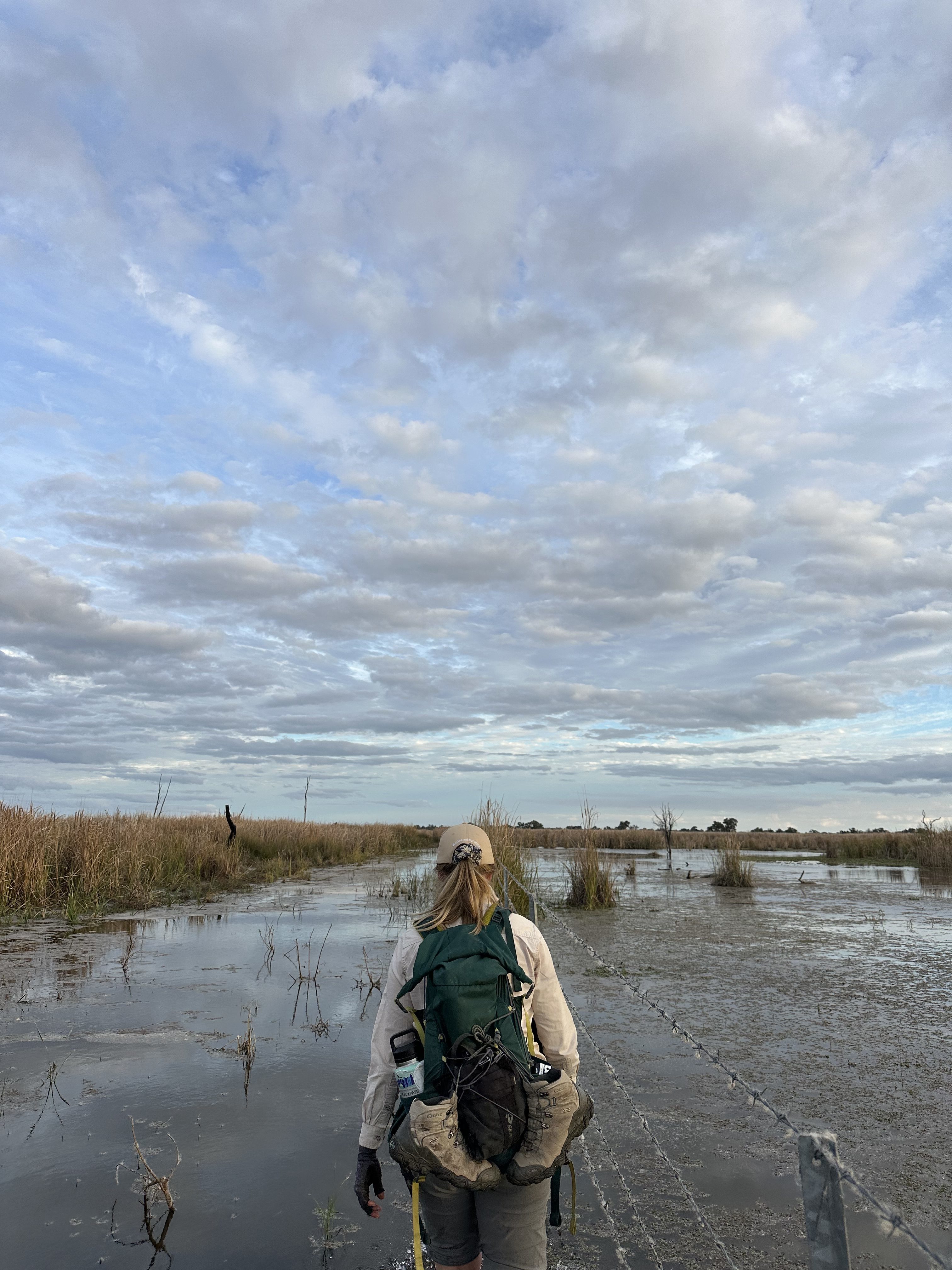
7. What’s your top tip for delivering outstanding client satisfaction on a project?
Communication, attention to detail, and accepting what you don’t know is key!
8. What’s a book, podcast or resource you’d recommend to someone in your field?
David Keith’s book Ocean Shores to Desert Dunes: The Native Vegetation of New South Wales and ACT (2004) – excellent resource which underpins vegetation classification in NSW and ACT.
Les Robinson’s book Field Guide to the Native Plants of Sydney (2003) – I love how this field guide is separated into habitat types and is broad enough to be applicable to some areas of the Central West NSW.
9. What’s the best piece of advice you’ve ever received?
Stay open-minded, approachable, and willing to learn. Different people bring different experiences, perspectives, and ways of approaching problems. Even if someone works in a different field or has a different viewpoint, there is always something useful to take from the conversation.